The most quoted figure comes from the US Foreign Service Institute, which trains American diplomats: 600 to 750 class hours to reach a professional working level in Spanish. That is its shortest category, shared with French and Italian.
Read what that number measures before you panic. It is the level at which you argue a position in a meeting, not the level at which you order dinner and make a friend. Conversation arrives long before.
And the hours are not interchangeable: an hour of talking weighs more than an hour of exercises. PalVivo gives you one every week, for free.
Start your first hours, for free
The answer in numbers, level by level
"Fluent" in everyday use means B2: you follow a normal speaking pace and answer without preparing. To find out where you are right now, a Spanish level test gives you your letter in two minutes. The word covers more than a letter, though: what being fluent in Spanish looks like is mostly a question of speed.
- A2, getting by : 3 to 6 months at a few hours a week. You book, order, ask your way.
- B1, holding a conversation : 6 to 12 months. You tell a story, you follow someone who speaks clearly.
- B2, comfortable : 1 to 3 years depending on your weekly rhythm. Normal pace, unexpected topics.
- Professional level : the FSI's 600 to 750 hours, which almost nobody needs for travel or friendship.
Keep the order of magnitude rather than the exact figure. These ranges move with your exposure, your starting point and above all your volume of speaking.
Why Spanish is one of the fastest for you
English and Spanish share thousands of words through Latin: nation and nación, family and familia, possible and posible. You recognise them the first time you meet them.
The spelling helps too. Spanish is read the way it is written: five clean vowel sounds, almost no silent letters, stress that follows a rule. Compare that with English spelling and you see why the traffic is easier in this direction.
What stays hard is speed. A native speaker runs words together, and no amount of vocabulary prepares your ear for that. Only listening to real people does.
Three levers that shorten the timeline
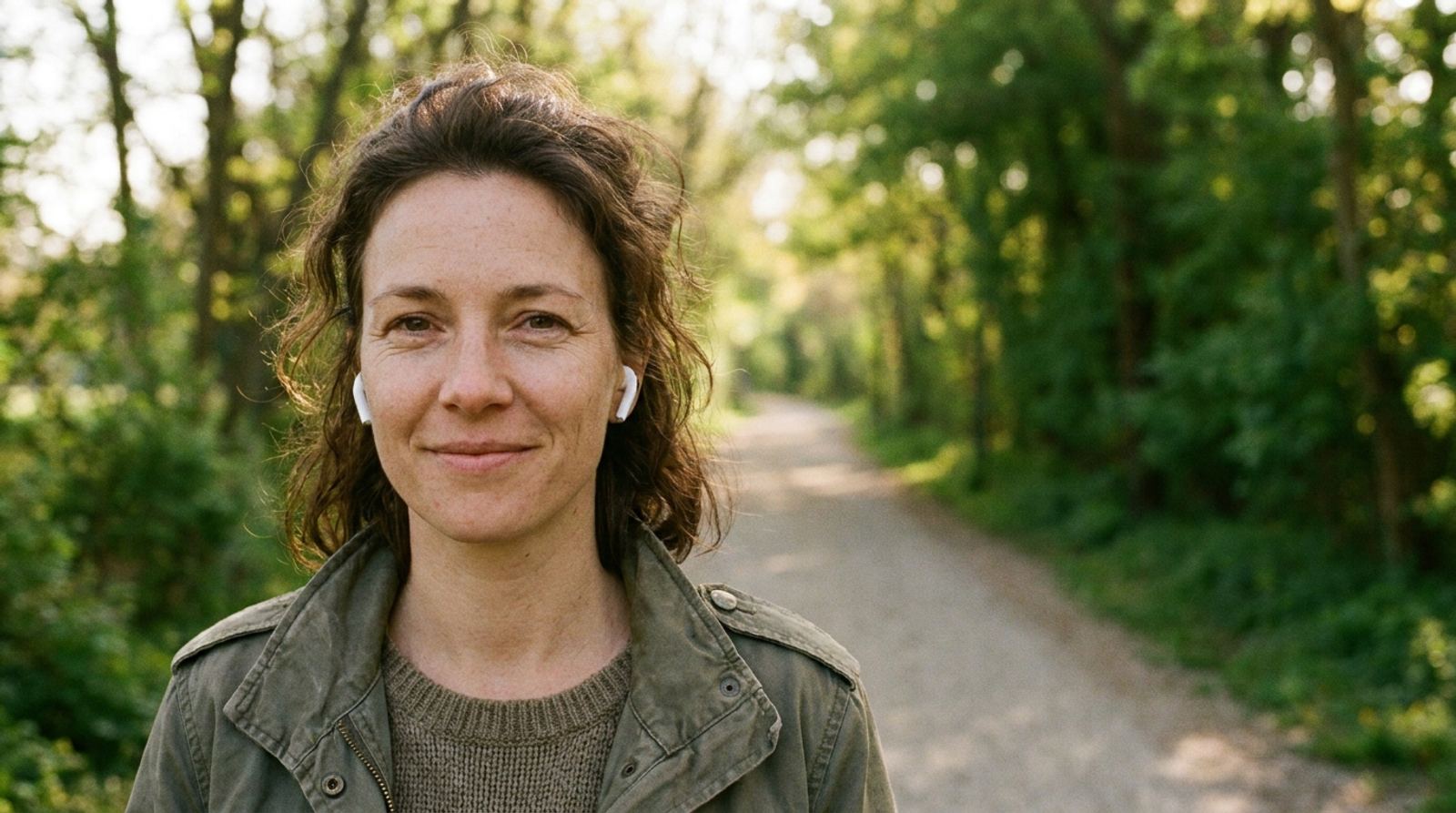
- More speaking in the total : one hour of conversation trains listening, vocabulary and reflexes at the same time.
- A little every day : short, frequent sessions beat the same duration in one block.
- Spanish that concerns you : topics from your actual life stick better than ready-made lists.
If you understand far more than you can say, the timeline is not your problem. That gap has its own causes, and we go into why you can't speak Spanish separately.
No partner to hand? You can still improve your spoken Spanish on your own, with nothing but your phone.
Start the clock this week
The trap with timelines is turning them into a project for later. A course that starts next term, another one in three months, and six months go by with nothing on the clock.
PalVivo has no start date and no waiting list. You tell it which languages you speak and want to learn, and it finds you a partner, for free.
Every call adds an hour of real practice to the total. At that rhythm, the question "how long" answers itself, call after call.
Put your first hour on the clock, for free
The timeline is counted in conversations, not years
From six months to three years: the gap comes from your starting point and your speaking hours. The first step is still to practise Spanish out loud, this week rather than one day.
A year at that rhythm puts over 200 hours on the clock. All of them start with the first one.